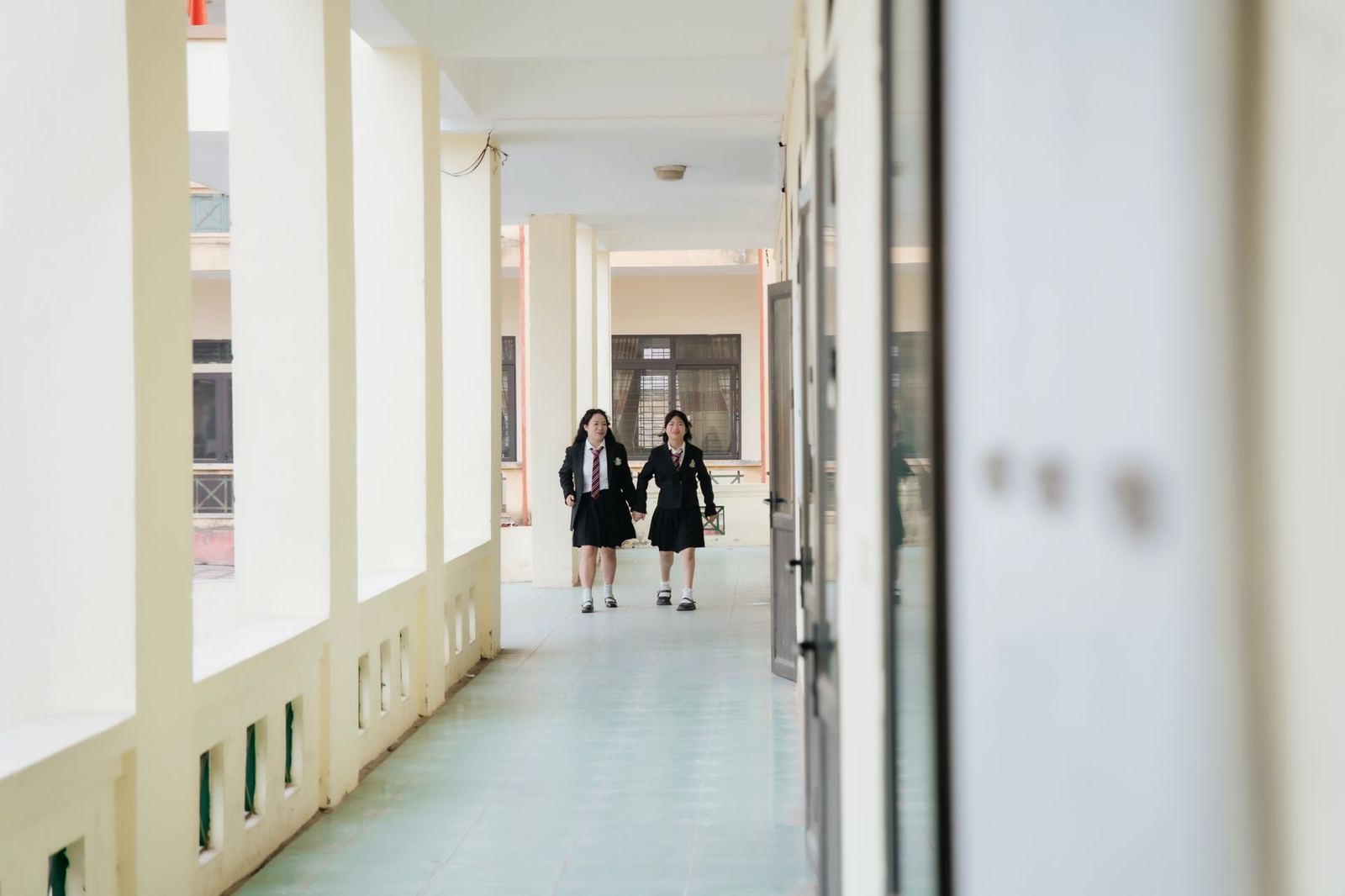


Practical tips for reducing school-start anxiety, building routines and preparing for reading and writing.
Starting primary school is an important threshold in the life of the family as well as the child. The adjustment process is completed in most children within the first six weeks; however, the family's approach can noticeably shorten or lengthen it. Here are the steps our guidance teachers often recommend.
1. Build routines two weeks before September, not all summer
Sleep and eating routines may have loosened during the summer holiday. Two weeks before school opens, bring wake-up and bedtime closer to the school schedule. Rehearse the morning routine (breakfast, dressing, leaving) together.
2. Introduce the school, but do not exaggerate it
Touring the school and seeing the classroom and teacher reduces the child's anxiety about the unknown. Instead of "You'll have so much fun there", use realistic sentences such as "You will make new friends, and if you find something hard you will tell your teacher."
3. Keep the goodbye short and clear
Drawn-out goodbyes at the door increase anxiety. A short hug, a fixed goodbye ritual and a reassuring sentence (for example "I'll come to pick you up this afternoon") are enough. If the child cries, trust the teacher rather than going back and prolonging the goodbye.
4. Manage expectations about reading and writing
The aim of the first grade is not for every child to start reading at the same speed. Read stories at home and support your child writing their name, but do not apply pressure. A love of reading comes before accurate reading.
5. Help them name their feelings
Instead of "How was today?", ask "What made you laugh most today, and what made you sad?" As children put feelings into words, their ability to cope with school stress develops.
What do we do as a school?
- A special adjustment week for first-graders: half-day lessons, play-based introduction
- A short weekly feedback to parents in the first month
- An individual adjustment meeting with the guidance teacher
- The class teacher staying with the same group for four years
When should support be sought?
If there are sleep problems lasting beyond six weeks, constant refusal to go to school, physical complaints such as frequent stomach aches, or withdrawal, speak to the guidance service. Early support makes the process easier.
Communicating with the teacher
Have a short introductory meeting with your child's class teacher in the first week. Share what your child likes, what they are wary of, and any allergy or health condition. This information lets the teacher approach the child correctly in the first weeks. Read development reports not just as grades but as a guide describing your child's ability to express themselves and make friends.
Conclusion
Adjustment is not a race but a journey where each child moves at their own pace. Being patient, staying consistent and cooperating with the school is the most reliable way for your child to start the primary school years with confidence.